Routine commercial maintenance
Scheduled visits that include an inspection and preventive care, so small problems are found and handled before they cause a breakdown.
Commercial septic maintenance
Commercial septic maintenance is the scheduled inspection, pumping and monitoring that keeps a business's septic system working under heavy daily use. Econo Rooter Services, Inc. maintains septic systems for businesses, facilities and regulated properties across Coos County, northern Curry County and Reedsport, including systems that operate under an Oregon WPCF permit.
Commercial septic care
A commercial septic system works harder than a household one. More people use it, it runs for longer hours, and kitchens, laundries and shared restrooms can send through wastewater that is both higher in volume and stronger than typical household waste. DEQ treats waste strength as one of the main factors in how a larger system is permitted, which shows how much it matters to how the system performs.
When a commercial system is left until something goes wrong, the result is usually felt by the business first: backups, odors, restrooms taken out of service and, in the worst cases, a shutdown while the system is repaired. Scheduled maintenance is built to catch the early signs, such as reduced flow or excess buildup in the tank, while they can still be handled during a planned visit.
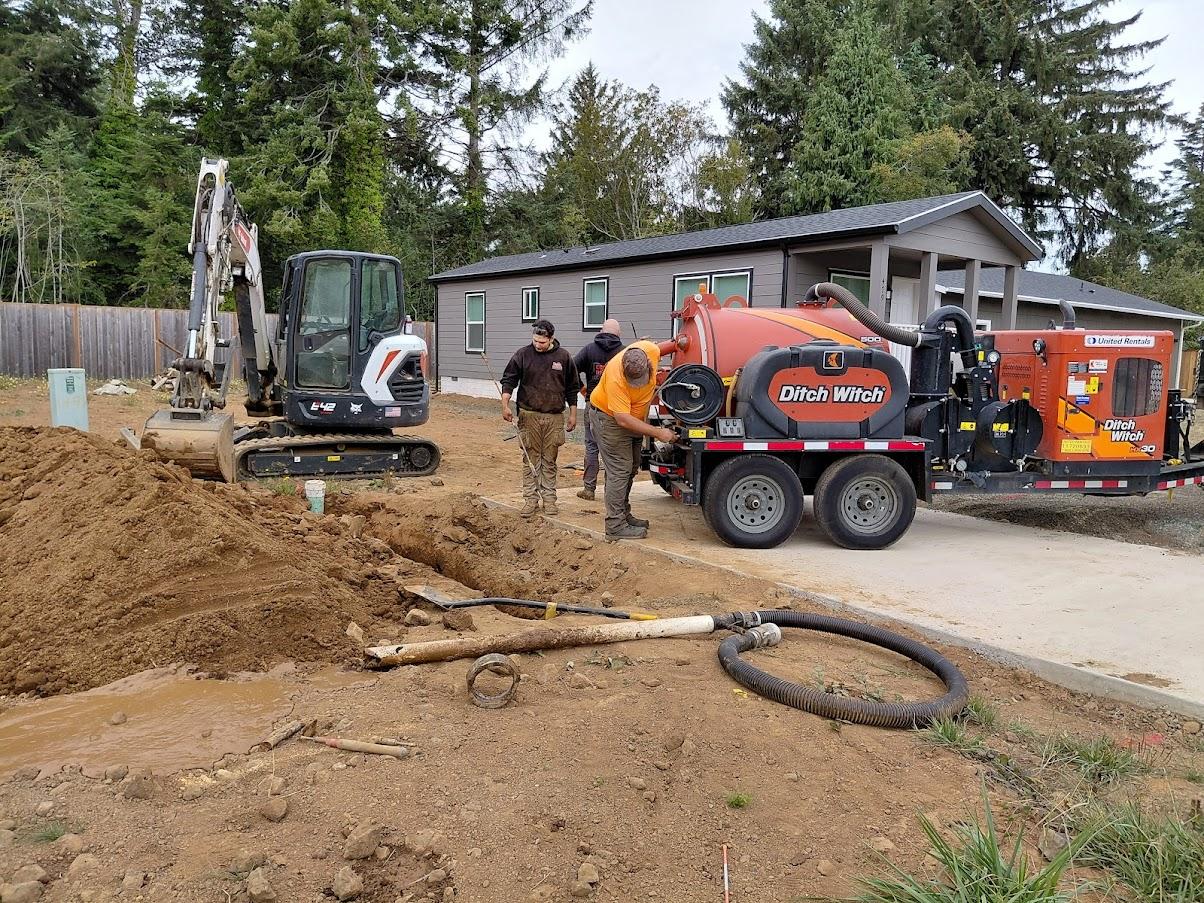
Econo Rooter Services plans each commercial maintenance schedule around the size of the system, the volume it handles and the type of property, and uses professional pumping equipment to remove waste without holding up the business longer than necessary. Each visit is documented, so the business has a running record of when the system was serviced and what was found, which helps with planning budgets, staffing and any permit reporting.

WPCF permits
A WPCF (Water Pollution Control Facilities) permit is the Oregon DEQ operating permit for larger or higher-strength onsite septic systems. DEQ's fact sheet sets out when one applies:
Systems at or under 2,500 gallons per day are generally permitted locally, through the county or DEQ. Because a WPCF permit is an operating permit, its conditions apply for as long as the system runs, which is why scheduled commercial septic maintenance and records of each service matter. In Coos County, systems that need ongoing maintenance are also reported on the county's Annual Operation and Maintenance Report form.
A simple habit makes permit questions easier to answer: keep every pumping and maintenance record with the permit file. Dated records show when the system was serviced, what was found and what was done, which is the history an inspector, a buyer or a new property manager will ask for first.
Our commercial septic maintenance services
Scheduled visits that include an inspection and preventive care, so small problems are found and handled before they cause a breakdown.
Ongoing checks for early warning signs such as reduced flow or excess buildup, which help keep the system efficient and reduce the need for disruptive repairs.
Pumping and cleaning of commercial septic tanks to keep waste levels in balance for daily operation. Residential pumping is covered on the septic pumping page.
Care for the drain field alongside tank cleaning, to help prevent saturation, backups and damage to the part of the system that is hardest to replace.
Planning maintenance
No two commercial systems are maintained on the same schedule. The right interval comes from how the property is used and what the system has to handle, and the goal of each visit is to keep the problems on the right from developing.
Who we work with
Econo Rooter Services maintains septic systems for businesses and facilities that depend on them every day. Each type of property puts a different kind of demand on its system, so each maintenance plan is set up around it.
Kitchens send a steady flow of stronger wastewater, so tanks fill faster and benefit from closer monitoring of buildup.
Restroom use rises and falls with staff and customers. A maintenance schedule keeps a working system in service through the busiest periods.
Several households share one system, which multiplies the load. Scheduled care helps prevent a single failure from affecting every unit.
Properties that use advanced treatment units need both tank pumping and service of the unit, covered under advanced treatment maintenance.
Our maintenance process
The system's condition and the way the property uses it are reviewed first, so the maintenance plan addresses small concerns before they grow.
Routine cleaning removes buildup that restricts flow, and scheduled pumping keeps waste levels where they should be for daily use.
After the service, the system is checked to confirm it is working as it should, so the business can carry on as normal.
If a problem turns up, repair work is planned to restore the system with as little interruption as possible.
Why choose Econo Rooter Services, Inc.
Commercial septic care affects operations, safety and permit compliance, so it needs a provider that understands high-use systems and plans ahead. Econo Rooter Services does not use one plan for every property. Each commercial service is set up around the property's size, usage level and regulatory needs, with clear communication about what was done and what comes next.
The company holds a DEQ septic pumping license and DEQ Installer License #38122, and is a registered Orenco AdvanTex service provider, so pumping, repairs and treatment unit care can all come from one team that has worked on South Coast systems since 2000. Every license is listed on the certifications page.
Commercial maintenance questions
A WPCF (Water Pollution Control Facilities) permit is an operating permit that Oregon DEQ issues for larger or higher-strength onsite septic systems. DEQ describes it as an operating permit rather than only an installation permit, so its conditions apply for as long as the system is in use.
According to DEQ, a WPCF permit is required when a facility's combined projected daily sewage flow is over 2,500 gallons per day. Waste strength is another primary factor, and a facility with active pretreatment requires one. Existing facilities without a WPCF permit do not need one until a major repair, major alteration or expansion.
How often a commercial septic tank needs pumping depends on how much and what kind of wastewater the business produces, the size of the tank, and any conditions in the system's permit. Econo Rooter Services sets a pumping and maintenance schedule after inspecting the system and learning how the property is used.
A commercial septic maintenance visit from Econo Rooter Services covers an inspection of the system, pumping when it is needed, a check of sludge levels and components, a look at how the system and drain field are performing, and recommendations for any follow-up work.
Commercial septic service is planned to limit disruption to the business. Econo Rooter Services schedules maintenance around business activity, including off-peak hours where that is practical, so customers and staff are affected as little as possible.
Econo Rooter Services maintains commercial septic tanks of different sizes for restaurants, offices, multi-unit properties and other businesses, using professional pumping equipment and scheduled maintenance plans matched to each system.