Why Your Shower Drain Keeps Backing Up
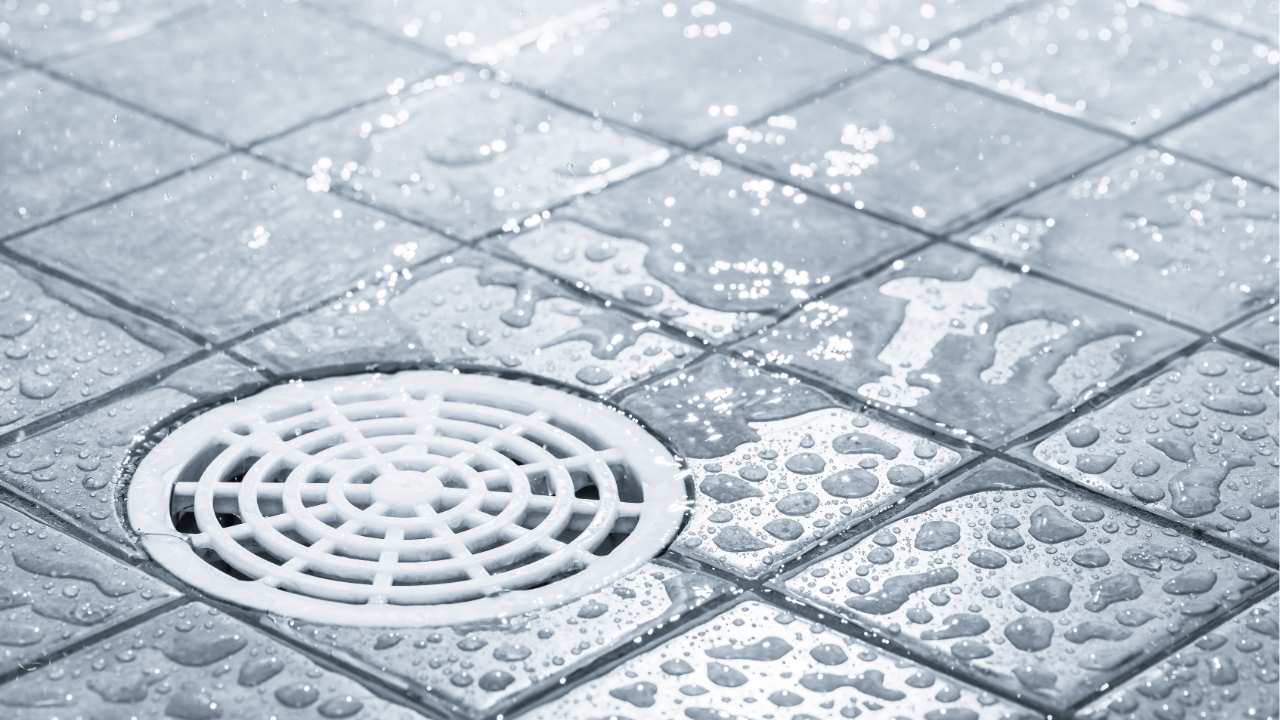
A shower drain that keeps backing up is more than a small inconvenience. Standing water can leave behind soap residue, unpleasant odors, and moisture that increases the risk of mold around your bathroom.
When plunging only provides temporary relief, the blockage may be deeper than it appears. A professional rooter service in Coos Bay, OR can inspect the drain line and identify what is causing the repeated problem. Depending on the condition of the plumbing, drain cleaning services may be needed to remove compacted buildup, while an experienced Coos Bay rooter company can determine whether damaged pipes or sewer-line issues are involved.
Below, you will learn why shower drains repeatedly clog, which warning signs should not be ignored, and what you can do to prevent another backup.
Hair and Soap Buildup Restrict Water Flow
Hair is one of the most common causes of shower drain backups. Individual strands may seem harmless, but they can become tangled inside the drain and form a net that catches soap, dirt, skin cells, and other debris.
Over time, the blockage grows larger and leaves less room for water to pass through. You may first notice that the water drains slightly slower than usual. Eventually, several inches of water may collect around your feet before disappearing.
Soap can make the problem worse. Many soaps contain fats, oils, or moisturizing ingredients that leave a sticky film inside the pipe. This residue attaches to hair and creates a dense clog that cannot always be removed with a basic drain cover or plunger.
Common signs of hair and soap buildup include:
Water pooling during a shower
A drain that empties slowly afterward
Gurgling sounds beneath the drain
Musty or sour odors
Frequent clogs that return after plunging
A removable hair catcher can reduce future buildup, but it will not eliminate debris that is already lodged deeper in the line.
The Clog May Be Deeper Than the Shower Trap
Many homeowners assume the blockage is located directly beneath the drain opening. Sometimes it is. In other cases, the clog has formed farther down the branch line where the shower plumbing connects with other bathroom fixtures.
A shallow blockage may respond to a plunger or small drain snake. However, these tools may only punch a narrow hole through a larger obstruction. Water begins flowing again, but the remaining buildup quickly closes around the opening.
This explains why some drains improve for a few days and then start backing up again.
Deeper clogs may involve:
Compacted hair and soap residue
Mineral deposits inside older pipes
Foreign objects lodged in the drain
Grease or waste entering a shared plumbing line
Pipe corrosion that traps debris
A sagging pipe that allows material to collect
Professional equipment can reach farther into the plumbing system than most household tools. A technician may use a powered drain machine to break apart the clog and clean the interior walls of the pipe.
Multiple Slow Drains May Signal a Sewer Problem
A clogged shower drain is not always an isolated bathroom issue. If the shower backs up when the toilet is flushed, the washing machine drains, or another fixture is used, the main sewer line may be restricted.
Wastewater follows the path of least resistance. Because a shower drain is often one of the lowest openings in the home, sewage or dirty water may appear there first when the main line cannot carry water away properly.
Watch for these warning signs:
The toilet bubbles when the shower runs
Water rises in the shower after flushing
Several drains are slow at the same time
Sewage odors are present indoors
Water backs up in a tub or floor drain
The problem becomes worse after heavy rain
Main-line blockages may be caused by tree roots, collapsed piping, grease buildup, soil movement, or objects that should never have been flushed.
This type of problem should be handled quickly. Continued use of sinks, toilets, and appliances may push more wastewater into the blocked system and cause an unsanitary overflow.
Pipe Damage Can Cause Recurring Blockages
Repeated shower backups may continue even after a clog has been removed. In that situation, the pipe itself could be contributing to the problem.
Older drain lines may develop rough interior surfaces because of corrosion or mineral buildup. Debris catches on those surfaces and begins forming another obstruction. Cracks, separated joints, or low spots in the line can create similar trouble.
Tree roots are another concern. Roots naturally grow toward moisture and may enter underground sewer pipes through small openings. Once inside, they expand and trap toilet paper, waste, and other materials.
A sewer camera inspection can help locate these hidden conditions without unnecessary digging. The camera provides a view inside the pipe and may reveal:
Root intrusion
Cracked or broken lines
Corroded pipe walls
Misaligned connections
Standing water inside a sagging section
Objects lodged deep in the plumbing
Accurate diagnosis matters because cleaning a damaged line may only provide temporary relief. Repairing or replacing the affected section may be the only reliable long-term solution.
Why Chemical Drain Cleaners Often Fall Short
Chemical drain cleaners are heavily marketed as a fast solution, but they are not suitable for every clog.
These products may dissolve a small amount of hair or organic material near the drain opening. They often struggle with dense obstructions, mineral deposits, tree roots, or damaged pipes. Some chemicals can also remain trapped above the clog, creating a hazardous situation for anyone who later removes the drain cover or works on the line.
Repeated use may damage certain plumbing materials and seals. Chemical cleaners may also produce strong fumes that irritate the eyes, skin, or lungs.
Safer first steps include:
Removing visible hair from the drain opening
Cleaning the drain stopper
Using a cup plunger
Trying a small manual drain snake
Flushing the line with hot tap water
Calling a professional when the clog returns
Avoid pouring boiling water into PVC piping because extreme heat may soften or damage the material.
Short Case Study: A Backup That Kept Returning
A homeowner noticed that the shower drained slowly every few weeks. Plunging restored normal flow, but the problem always returned. After several months, water began rising in the shower whenever the toilet was flushed. A camera inspection found heavy root growth inside the main sewer line. The roots were removed, and the damaged pipe connection was repaired. Once the underlying defect was corrected, the shower stopped backing up. The situation showed why recurring clogs should not be treated as separate events. A temporary fix may move water for a while, but identifying the source prevents repeated mess, expense, and property damage.
How to Prevent Future Shower Drain Backups
Good habits can reduce the amount of debris entering your plumbing and help you notice problems earlier.
Use a quality hair catcher and clean it after every few showers. Brush loose hair before bathing, especially if someone in the household has long or thick hair. Avoid allowing bottle caps, razor covers, cotton swabs, or other small objects to fall into the drain.
You should also:
Clean the drain stopper regularly
Rinse soap residue from the shower floor
Address slow drainage before water begins pooling
Avoid flushing wipes, paper towels, or hygiene products
Have recurring clogs professionally inspected
Schedule preventive sewer cleaning when root growth is common
Do not ignore changes in how your plumbing sounds or drains. Gurgling, bubbling, and unexplained odors often appear before a complete blockage develops.
Stop the Backup Before It Becomes an Emergency
A shower drain that repeatedly backs up is telling you that something has not been fully resolved. The problem may be a compacted hair clog, a restricted branch line, invading tree roots, or damage inside the sewer pipe.
Temporary fixes can buy time, but they rarely solve deeper plumbing problems. Schedule a professional drain inspection today to restore reliable flow, protect your bathroom, and prevent a more expensive wastewater backup.