Slow Drains Throughout the House? You May Have a Main Sewer Line Problem
A slow drain in one sink is annoying. Slow drains throughout the house are a bigger warning sign. When multiple fixtures start backing up, gurgling, or draining poorly at the same time, the problem may not be inside one pipe, it may be deeper in your main sewer line.
In this guide, you’ll learn what a main sewer line does, the warning signs of a problem, what causes sewer line clogs, and when to call a professional before the situation turns into a messy and expensive emergency.
Why Multiple Slow Drains Are a Red Flag
Your home’s plumbing system works like a connected network. Every sink, toilet, shower, tub, washing machine, and floor drain eventually sends wastewater into the main sewer line. That line carries everything away from your home and into the city sewer system or septic system.
When one drain is slow, the cause is often local. Hair, soap scum, grease, or food debris may be blocking that specific drain. But when several drains slow down at once, especially on the lowest level of your home, the issue may point to the main sewer line.
Homeowners looking for the best rooter service in Coos Bay OR often notice the same early symptoms: slow toilets, shower water pooling near their feet, and strange bubbling sounds after flushing. In many cases, professional drain cleaning in Coos Bay OR is needed because simple plunging or store-bought cleaners will not reach the real blockage. This is where experienced plumbing specialists can inspect the system, clear the line, and identify whether the problem is caused by roots, buildup, damage, or a collapsed pipe.
This is especially common in Coquille, where Econo Rooter Services is based: many homes near the older sections of town still tie into original clay sewer laterals, and those lines are the ones most likely to develop the root intrusion and grade problems that show up as slow drains throughout a house.
Common Signs of a Main Sewer Line Problem
Main sewer issues usually get worse over time. The sooner you notice the signs, the better chance you have of avoiding water damage, sewage backup, and costly repairs.
Watch for these warning signs:
Several drains are slow at the same time
Toilets bubble or gurgle after flushing
Water backs up into tubs, showers, or floor drains
Sewage odors come from drains or the yard
Wet, sunken, or unusually green patches appear outside
Drains work briefly, then slow down again
You hear strange sounds from pipes when water is running
One of the clearest warning signs is water backing up in odd places. For example, flushing a toilet may cause water to rise in the bathtub. Running the washing machine may make a nearby floor drain overflow. These are not normal plumbing quirks. They usually mean wastewater is struggling to leave the home.
What Causes Main Sewer Line Clogs?
Main sewer lines can clog for several reasons. Tree roots are one of the most common causes, especially in older neighborhoods. Roots naturally search for moisture, and even a tiny crack in a sewer pipe can attract them. Once roots get inside, they grow thicker, trap debris, and eventually block the line.
Grease is another major problem. Pouring cooking oil, fat, or greasy food scraps down the drain may seem harmless, but grease cools and sticks inside the pipe. Over time, it catches other debris and forms a stubborn blockage.
Other causes include:
Flushed wipes, paper towels, or hygiene products
Old or corroded pipes
Pipe bellies caused by shifting soil
Collapsed or cracked sewer lines
Heavy buildup from years of use
Foreign objects accidentally flushed or washed down
Chemical drain cleaners may offer short-term relief, but they rarely solve sewer line problems. In some cases, they can damage older pipes or create safety risks for anyone working on the system later.
Why Professional Inspection Matters
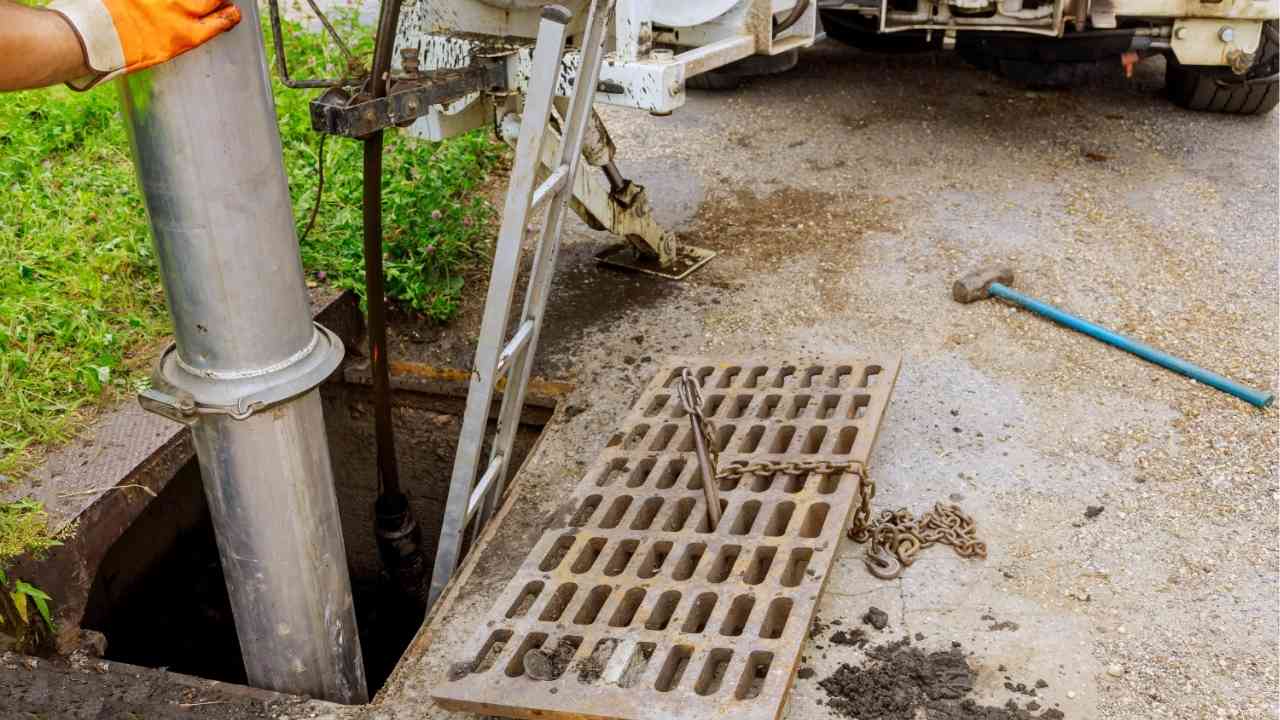
A main sewer line problem is not something you want to guess at. The best approach is a proper inspection. Many plumbers use sewer cameras to see what is happening inside the pipe. This helps identify the exact location and cause of the blockage.
Depending on the issue, the plumber may recommend rooter service, hydro jetting, pipe repair, or full replacement. Rooter work can cut through roots and tough clogs. Hydro jetting uses high-pressure water to clean the inside of the line. If the pipe is broken or collapsed, cleaning alone may not be enough.
The key is getting the right solution the first time. Repeated clogs usually mean the underlying problem was never fully fixed.
Case Study: A Small Backup That Revealed a Bigger Issue
A homeowner noticed the downstairs shower draining slowly after laundry day. At first, they assumed it was hair buildup. A few days later, the toilet began bubbling, and water appeared near the basement floor drain. A sewer camera inspection revealed tree roots growing through an older clay pipe near the front yard. The line was cleared, but the inspection also showed a cracked section that needed repair. By acting early, the homeowner avoided a full sewage backup inside the house and prevented more expensive damage later.
Don’t Wait Until Sewage Backs Up
Slow drains throughout the house are not just inconvenient. They are often your plumbing system’s way of warning you that something serious is happening underground. If multiple fixtures are draining poorly, making noise, or backing up, stop using temporary fixes and get the line inspected.
Contact Econo Rooter Services today to inspect your line and protect your Coquille home before a small drain problem becomes a major cleanup.