
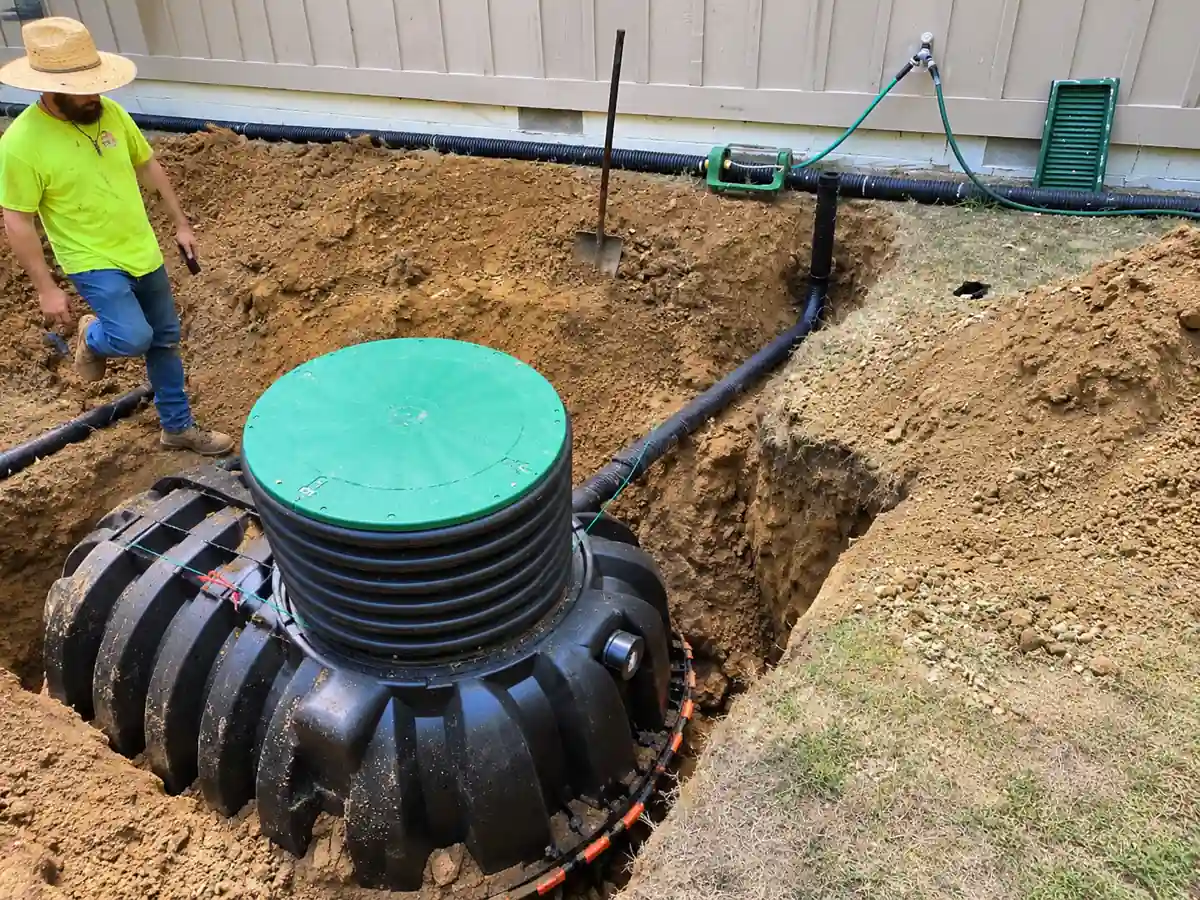
Septic Tank Pumping and Installation Cost in Coos County, Oregon: What Drives the Price
A septic job on a dry, level lot in Coquille and one on a wet, sloped property near the coast can look nothing alike, even with the same size tank. That is why septic tank pumping cost and septic tank installation cost in Coos County vary from one property to the next.
Pumping cost depends mostly on tank size, how easy the tank is to reach, and its condition. Installation cost depends on what the soil and groundwater on your lot allow, which system type the permit requires, and how much excavation the site needs. A quote based on your property is the only reliable number.
Econo Rooter Services, Inc. has provided septic pumping and septic repairs and installations from Coquille since 2000. Here is what changes the price on each.
What affects septic tank pumping cost
1. Tank size
A larger tank holds more volume, so it takes longer to pump and produces more waste to haul. Some tanks have two compartments, and both need pumping. If you do not know your tank size, Coos County septic records are searchable online and may list it.
2. Access to the lid
This is often the biggest variable. Risers that bring the lids to ground level let a tank be opened in minutes. Buried lids have to be located and dug out first. If the truck cannot park close to the tank, the job needs more hose and more time. Steep driveways, gates, and soft ground after heavy rain all play a part.
3. Time since the last pumping
A tank that has gone years between pumpings usually holds a thicker sludge layer that takes more work to remove. Our guide on how often to pump a septic tank explains what sets the right schedule for your household.
4. Filters and system components
Many tanks have an effluent filter that should be cleaned at each pumping. Systems with pumps, alarms, or treatment units have more parts to check, and some carry maintenance requirements under Coos County's Operation and Maintenance Program. Econo Rooter offers advanced treatment system maintenance for those systems.
What affects septic tank installation cost
1. The site evaluation and your soil
Every new septic system in Oregon starts with a site evaluation. A specialist digs test pits in the proposed drain field areas and records soil and groundwater conditions, and the result sets the requirements for your property. Oregon DEQ notes that passing an evaluation does not lock in a specific system type. Deep, well-drained soil usually allows a simpler design. Econo Rooter handles site evaluations when planning a new system.
2. Water table
Groundwater depth is one of the main reasons designs differ. Where groundwater sits close to the surface, wastewater needs more treatment before it reaches it, which can mean an alternative system instead of a standard gravity drain field. Coos County's onsite program names sand filters, pressure distribution, and aerobic treatment units among the designs used on difficult sites. Each adds components, and some come with ongoing maintenance and reporting.
3. Tank size and material
Tank size is set by the system design and state rules for the property, not chosen on price. Material, compartments, and whether a separate pump tank is needed all affect the materials list.
4. Access, slope, and excavation
Tight lots, steep grades, rock, roots, and wet ground all slow excavation. Replacing an old system can also mean decommissioning the existing tank, which a new build skips.
5. Permits and inspections
Coos County has administered the onsite septic program locally since April 1, 2025, including permits and inspections. A new system typically needs a site evaluation, a construction-installation permit, and inspections during the work. According to Oregon DEQ, new construction needs a Land Use Compatibility Statement before a construction permit is issued, and installation permits are valid for one year. The conditions on your permit shape both the design and the cost.
Lighter job or bigger job
Factor | Usually lighter | Usually bigger |
|---|---|---|
Lid access | Risers at ground level | Buried lids that must be dug |
Truck access | Short, firm path | Long hose run, steep or soft ground |
Pumping history | Regular schedule | Many years since last pumping |
Soil | Deep, well-drained | Shallow or poorly drained |
Groundwater | Well below the drain field | Close to the surface |
System type | Standard gravity | Sand filter, pressure distribution, or treatment unit |
Questions to ask before you book
Homeowners in online forums often ask whether a septic quote was fair. A clear quote answers that. Ask any septic company:
Is locating and uncovering the lids included?
Will both compartments be pumped and the filter cleaned?
Will I get a written record of the tank's condition?
Who handles permits and county inspections on an installation?
What could change the price once work starts?
Asking these up front makes it easier to compare quotes and know what is included before work begins.
Frequently asked questions
How much does it cost to pump a septic tank in Coos County?
The cost to pump a septic tank in Coos County depends on tank size, how easily the lids can be reached, time since the last pumping, and whether filters or other components need service. Econo Rooter quotes after learning about your property.
What is the cheapest septic system to install?
The least expensive septic system is usually the simplest design your site evaluation allows. Deep soil and low groundwater may permit a standard gravity system, while high groundwater or shallow soil may require an alternative design.
What are signs your septic tank is full?
Common signs of a full septic tank include slow drains throughout the house, gurgling plumbing, sewage odors near the tank, and soggy or unusually green patches over the drain field.
Get a quote for your property
Every septic job in Coos County is priced on the details of the property. Econo Rooter Services, Inc. provides septic pumping, repairs, and installations in Coquille, Coos Bay, North Bend, Bandon, Myrtle Point, Powers, Lakeside, Langlois, Port Orford, and Gold Beach.
Call (541) 396-4804 or request a quote for your septic pumping or installation.