The Most Common Causes of Bathroom Drain Clogs
A slow bathroom drain may seem like a minor annoyance, but it rarely fixes itself. Hair, soap residue, grooming products, and hidden plumbing problems can gradually restrict water flow until the drain stops working altogether.
If you are searching for the “best rooter service near me in Coos Bay, OR,” timely help can prevent a small blockage from turning into an overflowing sink, shower, or toilet. Professional drain cleaning removes buildup that household products often leave behind, while professional plumbers can determine whether the clog is isolated or connected to a larger sewer line problem.
Below, you will learn what commonly causes bathroom clogs, which warning signs deserve attention, and what you can do to protect your plumbing.
1. Hair, Soap, and Personal Care Products
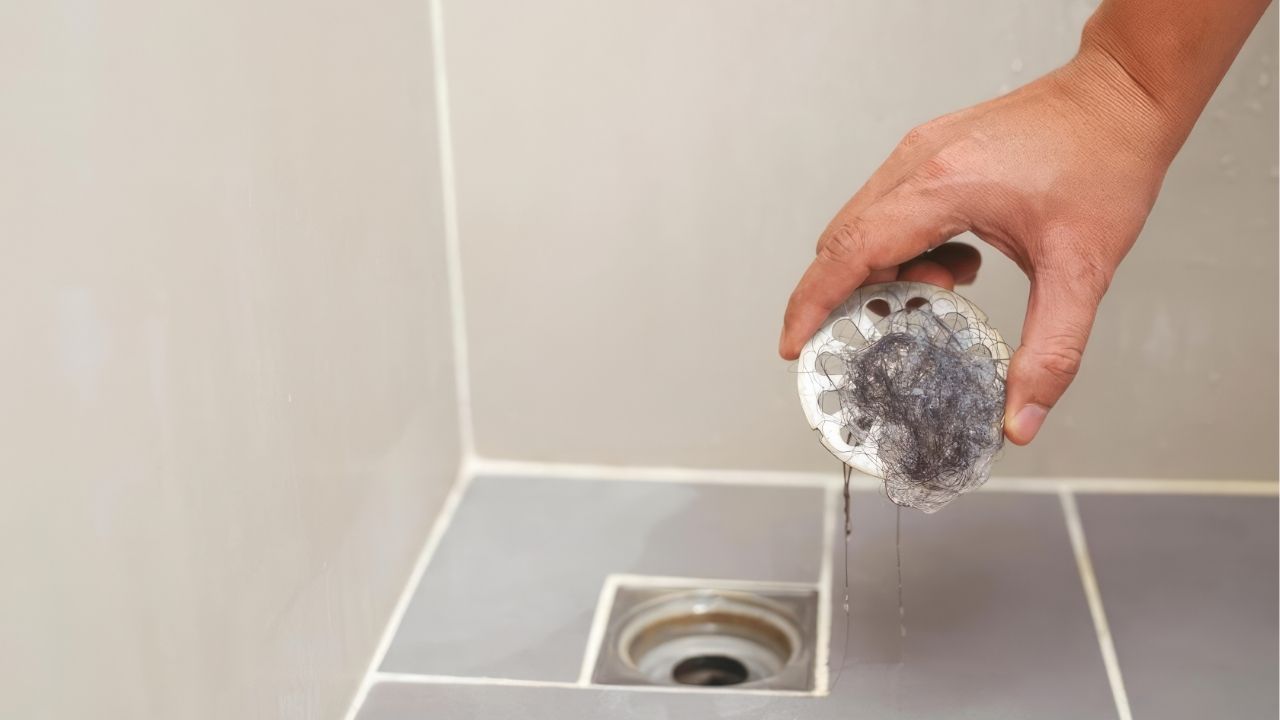
Hair is one of the leading causes of clogs in bathroom sinks, showers, and tubs. Loose strands travel down the drain and become tangled around the stopper, pipe fittings, or existing residue. Over time, that tangled mass catches other debris and restricts the pipe.
Hair becomes even more troublesome when it mixes with:
Soap scum
Shampoo and conditioner
Shaving cream
Skin oils
Toothpaste
Cosmetic residue
Traditional bar soap can leave a waxy film inside plumbing lines, especially when combined with minerals in hard water. The resulting buildup narrows the pipe and gives hair a rough surface to cling to.
Thick beauty products can create similar problems. Hair masks, body scrubs, bath oils, and heavy conditioners may not rinse away as easily as expected. Products labeled “flushable” or “water-soluble” can still contribute to buildup when used frequently.
A mesh drain cover is a simple first line of defense. It catches hair before it enters the plumbing and can be emptied into the trash after each shower. Cleaning the sink stopper regularly also prevents debris from accumulating beneath it.
2. Toilet Paper and Items That Should Never Be Flushed
Bathroom toilets are designed to handle human waste and a reasonable amount of toilet paper. They are not disposal systems for personal hygiene products, household waste, or cleaning supplies.
Common items that can block a toilet include:
Baby wipes and personal wipes
Paper towels and facial tissues
Cotton swabs and cotton balls
Dental floss
Feminine hygiene products
Diapers
Bandages
Disposable cleaning cloths
Cat litter
Even wipes marketed as flushable may remain intact much longer than toilet paper. Instead of breaking apart quickly, they can catch on rough pipe surfaces, tree roots, or existing buildup. Once one wipe becomes lodged, additional waste may collect behind it.
Too much toilet paper can also cause a temporary obstruction, particularly in low-flow toilets or homes with older plumbing. Children may accidentally flush toys, washcloths, or excessive paper, creating a blockage that a standard plunger cannot reach.
Keep a covered trash can near the toilet so household members and guests have a convenient place to discard non-flushable items. If an object has fallen into the toilet, avoid flushing again. Repeated flushing can push the object deeper into the plumbing and make removal more difficult.
3. Mineral Buildup and Deeper Plumbing Problems
Not every bathroom blockage starts with something recently dropped down a drain. In many homes, the underlying problem develops slowly inside the plumbing system.
Hard water contains dissolved minerals such as calcium and magnesium. These minerals can collect along the inner walls of pipes, gradually reducing the available space for water and waste to pass through. Hair and soap residue then stick to these deposits, causing the line to narrow even faster.
Older pipes present additional risks. Galvanized steel lines can corrode internally, while aging cast-iron pipes may develop scale, cracks, or rough surfaces that trap debris. A pipe can appear intact from the outside while being severely restricted inside.
Tree roots are another possible cause, particularly when several fixtures begin draining slowly at the same time. Roots can enter underground sewer lines through small cracks or loose joints. Once inside, they spread through the pipe and collect waste.
Warning signs of a deeper plumbing issue include:
Multiple slow drains in the home
Water backing up into a tub or shower
Gurgling sounds after flushing
Sewage odors near bathroom fixtures
Recurring clogs in the same drain
Toilet water bubbling when a sink is used
Wastewater appearing around a floor drain
These symptoms suggest that the problem may extend beyond a single fixture. A sewer camera inspection can help locate roots, damaged pipes, heavy buildup, or a blockage in the main line without unnecessary digging.
4. Why Quick Fixes Often Do Not Last
A plunger or small drain snake can sometimes clear a simple blockage near the fixture. However, recurring clogs usually indicate that part of the obstruction remains inside the pipe.
Chemical drain openers can create additional concerns. Strong products may generate heat, damage certain pipe materials, harm septic systems, or leave corrosive liquid sitting behind a blockage. They can also create a safety risk for anyone who later opens the pipe or attempts mechanical service.
Pouring boiling water into a bathroom fixture is not always safe either. Extreme temperature changes may damage PVC components or crack certain sinks and toilet bowls.
The better approach depends on the location and cause of the obstruction. A plumbing specialist may use a mechanical cable to break through a blockage, high-pressure water equipment to remove buildup, or a camera to inspect the line. Correctly identifying the cause reduces guesswork and helps prevent another backup.
Short Case Study: A “Simple” Shower Clog
A Coos Bay homeowner noticed that the shower took several minutes to empty after each use. A plastic snake pulled out some hair, but the problem returned within two weeks. An inspection found a dense combination of hair and soap residue farther down the branch line. The pipe was cleared thoroughly, and the homeowner added a mesh cover over the shower opening. They also began removing trapped hair after every use. Water flow returned to normal, and the recurring backup stopped. What looked like a surface-level clog had actually extended much deeper into the plumbing.
How to Prevent Bathroom Drains From Clogging
Most clogs cannot be avoided forever, but simple habits can reduce how often they occur.
Install mesh covers in showers, tubs, and sinks.
Remove visible hair instead of rinsing it away.
Clean drain stoppers every one to two weeks.
Put wipes and hygiene products in the trash.
Use only the toilet paper needed for each flush.
Avoid pouring oils or thick beauty products into sinks.
Teach children what should never go into a toilet.
Address slow water flow before the fixture stops draining.
Schedule an inspection when several fixtures act up together.
Pay attention to changes in your plumbing. A drain that becomes slower every week is giving you an early warning. Taking action at that stage is usually easier and less disruptive than dealing with wastewater overflowing onto the bathroom floor.
Stop Bathroom Clogs Before They Cause a Backup
If your sink, shower, tub, or toilet keeps clogging, contact a trusted Coos Bay rooter company today to locate the blockage, restore proper flow, and protect your home from water and sewer damage.