Why Older Oregon Homes Often Have Sewer Line Problems
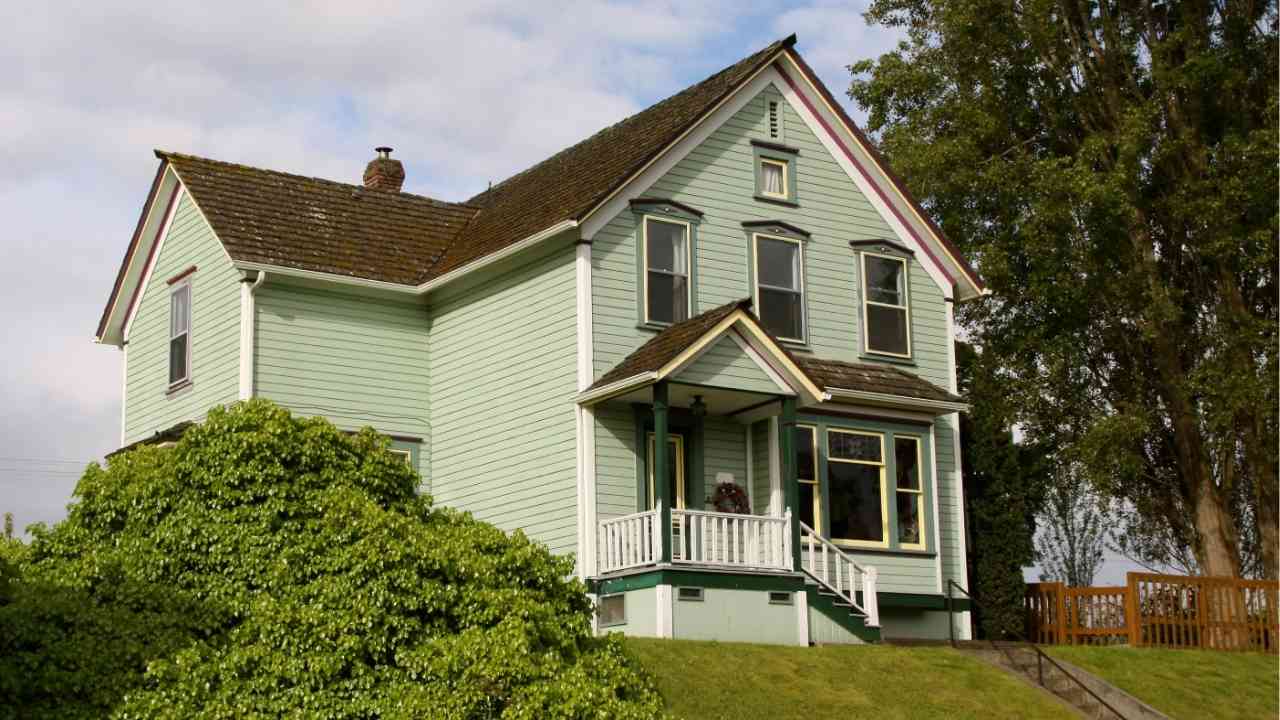
Older Oregon homes have charm you can’t fake. The woodwork, the larger lots, the coastal character, and the history all make them special. But beneath many of those homes is one system that may not have aged as gracefully: the sewer line.
If your home was built decades ago, the plumbing underground may be dealing with materials, soil movement, tree roots, and years of buildup. In this article, you’ll learn why older homes are more likely to have sewer problems, what warning signs to watch for, and when it makes sense to call a professional before a messy backup turns into an expensive repair.
For homeowners who want dependable help, Econo Rooter Services, Inc. provides practical sewer services for older properties, clogged drains, and line concerns that need the attention of a Coos Bay rooter professional.
Why Older Sewer Lines Start Failing
Many older Oregon homes were built with sewer lines made from clay, cast iron, Orangeburg, or other aging materials. These materials worked well for their time, but they were not designed to last forever.
Over the years, several things can happen:
Clay pipes can crack, shift, or separate at the joints.
Cast iron can corrode from the inside out.
Orangeburg pipe can soften, collapse, or deform.
Older pipe joints can allow tree roots to enter.
Soil movement can cause low spots or pipe bellies.
Once a pipe loses its shape or alignment, waste and water no longer flow smoothly. Small clogs become more common. Slow drains become routine. Eventually, the problem can turn into a full sewer backup.
The tricky part is that sewer line problems often start quietly. A drain may gurgle once in a while. A toilet may flush slower than usual. A shower may drain poorly after heavy rain. These signs are easy to ignore until the system stops working.
Oregon Weather and Soil Can Make Problems Worse
Oregon’s climate can be hard on underground plumbing. Frequent rain, wet soil, tree growth, and shifting ground can all affect sewer lines over time.
In coastal and older residential areas, moisture in the soil can add pressure around buried pipes. If a pipe already has cracks or weak spots, that pressure can make the damage worse. Heavy rain can also expose drainage problems that stay hidden during dry weather.
Tree roots are another major issue. Mature trees are beautiful, but their roots naturally search for moisture. If there is even a tiny opening in an old sewer pipe, roots can find their way in. Once inside, they grow thicker and catch debris, grease, paper, and waste.
That creates a clog that keeps coming back.
You may clear the drain once, only to have the same issue return weeks or months later. When that happens, the real problem may not be the clog itself. It may be the condition of the pipe.
Common Signs Your Sewer Line Needs Attention
Sewer problems are not always dramatic at first. In many homes, the early warning signs look like basic drain trouble.
Watch for these red flags:
Multiple drains are slow at the same time.
Toilets bubble or gurgle when other fixtures are used.
Water backs up into a tub, shower, or floor drain.
There is a sewage smell inside or outside the home.
The lawn has unusually wet or sunken areas.
Drain clogs keep returning after cleaning.
You hear strange sounds from pipes after flushing.
Your home has old plumbing and no recent sewer inspection.
One slow sink may be a local clog. But several slow drains usually point to a bigger issue. Since the main sewer line connects the whole home, problems there can affect toilets, tubs, showers, laundry drains, and floor drains.
That is why guessing can get expensive. A proper inspection helps identify whether the issue is grease buildup, roots, pipe damage, collapse, or poor flow.
Why DIY Fixes Often Fall Short
Store-bought drain cleaners may seem like a quick fix, but they rarely solve sewer line problems. In some cases, they can even damage old pipes or make the situation more dangerous.
A sewer line issue is usually deeper than what a chemical cleaner can reach. If roots, broken pipe sections, or heavy sludge are involved, the clog needs the right equipment and experience.
DIY snaking can also be risky. Without knowing the condition of the pipe, it is possible to push through weak areas, get equipment stuck, or clear only part of the blockage.
Professional help matters because the goal is not just to open the line for today. The goal is to understand why the blockage happened and how to reduce the chance of another backup.
A good service visit may include:
Drain cleaning
Sewer line inspection
Root removal
Pipe condition assessment
Maintenance recommendations
Repair guidance when needed
That gives homeowners a clearer picture of what is happening underground.
Short Case Study: The “Recurring Clog” That Wasn’t Just a Clog
A homeowner in an older Oregon property kept dealing with a basement drain backup every few months. At first, they assumed it was just normal clogging from daily use. After repeated cleanings, the problem returned faster each time. A professional inspection showed that tree roots had entered an older clay sewer line through separated joints. The roots were catching waste and paper, creating recurring blockages. Once the line was properly cleared and the damaged section was identified, the homeowner finally had a real plan instead of another temporary fix. The biggest lesson was simple: recurring clogs usually have a deeper cause.
When to Call Before It Becomes an Emergency
The best time to deal with sewer line trouble is before wastewater backs up into your home. Once sewage enters a bathroom, basement, laundry room, or crawlspace, cleanup becomes more stressful and costly.
Call for help when you notice repeated drain problems, sewage odors, multiple slow fixtures, or backups after rain. These signs usually do not improve on their own.
Older homes deserve extra attention because the sewer line may be original or partially replaced. Even if the home looks updated inside, the underground plumbing may still be decades old.
A professional can help you decide whether you need cleaning, inspection, maintenance, or repair. That clarity can save you from panic decisions later.
Protect Your Older Oregon Home from Sewer Surprises
Older homes have character, but old sewer lines need care. If drains are slowing down, toilets are gurgling, or clogs keep coming back, don’t wait for a full backup. Schedule a professional sewer line check and get the problem handled before it turns into a bigger mess.