
Why Kitchen Sink Drains Get Clogged So Easily
A clogged kitchen sink always seems to happen at the worst possible time, right when you're washing dishes or preparing a meal. One minute everything is flowing smoothly, and the next you're staring at a basin full of dirty water. The truth is, kitchen drains clog more easily than most homeowners realize.
Understanding why these clogs happen can help you prevent them in the future and keep your plumbing system running smoothly. In this article, we’ll break down the most common causes of kitchen sink clogs, how they develop over time, and what you can do to stop them before they turn into a bigger problem.
Food Scraps Build Up Faster Than You Think
Even if you’re careful, small bits of food often end up slipping down the drain. Over time, these scraps accumulate inside the pipes, creating blockages that restrict water flow.
Common food-related clog culprits include:
Rice, pasta, and bread that expand with water
Coffee grounds that settle and clump together
Eggshells that break into gritty particles
Fibrous vegetables like celery or corn husks
When these materials combine with grease and soap residue, they can form a thick sludge inside your pipes. This buildup gradually narrows the passage for water, eventually leading to a slow or completely blocked drain.
Grease and Oil Solidify in Pipes
One of the biggest reasons kitchen sinks clog so easily is grease. Cooking oils, butter, and fats may appear harmless when they're hot and liquid, but they quickly cool and harden once they travel through your plumbing system.
As grease sticks to the inside walls of pipes, it creates a sticky surface that traps other debris. Over time, layers of grease and food particles accumulate until the drain becomes severely restricted.
Here’s what often contributes to grease-related clogs:
Pouring cooking oil directly down the drain
Washing greasy pans without wiping them first
Disposing of sauces, gravies, or fatty leftovers in the sink
Preventing grease buildup starts with simple habits like wiping cookware with paper towels before washing and disposing of oils in the trash instead of the sink.
Soap Residue and Mineral Deposits
Many homeowners assume soap helps keep pipes clean. Ironically, it can actually contribute to clogs.
Dish soaps often contain fats and additives that combine with hard water minerals such as calcium and magnesium. These materials create a sticky film inside pipes that traps debris over time.
As the residue thickens, it narrows the pipe’s interior diameter and slows drainage. When combined with grease and food scraps, the result is the kind of stubborn blockage that usually requires professional drain cleaning.
In smaller communities like Powers, where homes tend to be older and further from the main line, that stubborn blockage often shows up as water backing up into a floor drain rather than just a slow sink, since there's more pipe run for grease and food debris to collect in along the way.
This is one reason homeowners often turn to Econo Rooter Services, Inc. when household solutions stop working and water begins backing up into the sink.
Pipe Design Can Contribute to Clogs
The structure of your plumbing system also plays a role in how easily clogs form.
Kitchen sinks typically include a curved pipe known as the P-trap. This bend is designed to hold a small amount of water that prevents sewer gases from entering your home. While it serves an important purpose, it also creates a spot where debris can easily accumulate.
Additional factors that increase clog risk include:
Older pipes with rough interior surfaces
Narrow drain lines that restrict flow
Improper pipe slope that slows water movement
Over time, even minor buildup can turn into a major obstruction, especially when multiple materials collect in the same area of the pipe.
Professional Help for Stubborn Clogs
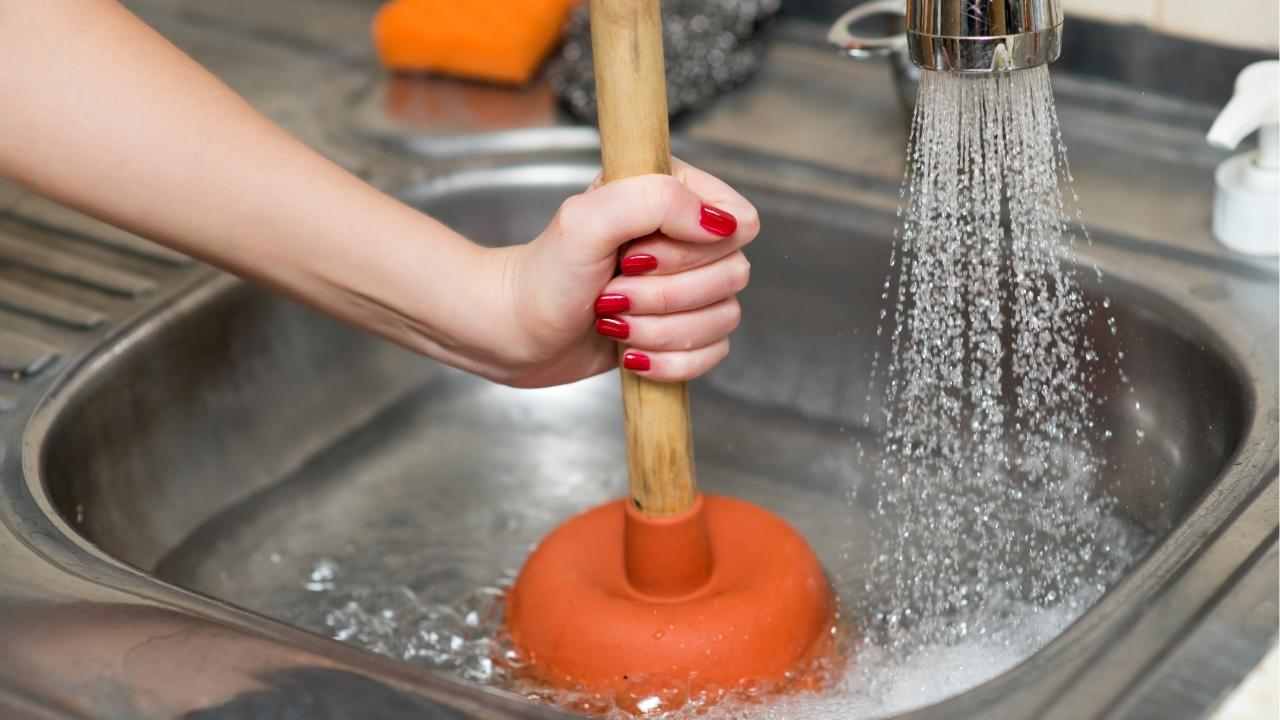
While plungers and store-bought cleaners may work for minor blockages, deeper clogs often require specialized tools and expertise. Licensed technicians use advanced equipment to remove buildup safely without damaging your plumbing.
Experienced teams such as professionals providing rooter service can inspect pipes, clear debris, and restore proper water flow quickly. They also help identify underlying issues that might cause recurring clogs.
If your kitchen sink drains slowly, makes gurgling sounds, or backs up frequently, it’s a strong sign that professional drain cleaning may be necessary.
Case Study: A Recurring Kitchen Drain Problem
A homeowner noticed their kitchen sink draining slower every few weeks despite using chemical cleaners. At first, the problem seemed minor, but eventually water began pooling in the sink during normal dishwashing.
A plumbing inspection revealed thick grease buildup combined with compacted food debris in the P-trap and nearby pipes. Traditional household tools couldn't reach the blockage. After professional equipment was used to clear the line, water flow returned to normal. The technician also recommended simple maintenance habits, such as disposing of grease properly and using sink strainers, which helped prevent the problem from returning.
Final Thoughts
Kitchen sink drains clog easily because they handle a constant mix of grease, food particles, soap residue, and mineral deposits. Over time, these materials build up inside pipes and restrict water flow.
If you want to avoid major plumbing headaches, adopt good sink habits and address slow drains early. When the problem goes beyond simple DIY fixes, reaching out to experienced plumbing specialists is the smartest next step to keep your kitchen running smoothly.
Need help clearing a stubborn kitchen sink clog in Powers, Coos Bay, or anywhere in between? Contact Econo Rooter Services today to restore proper drainage and prevent future problems.