
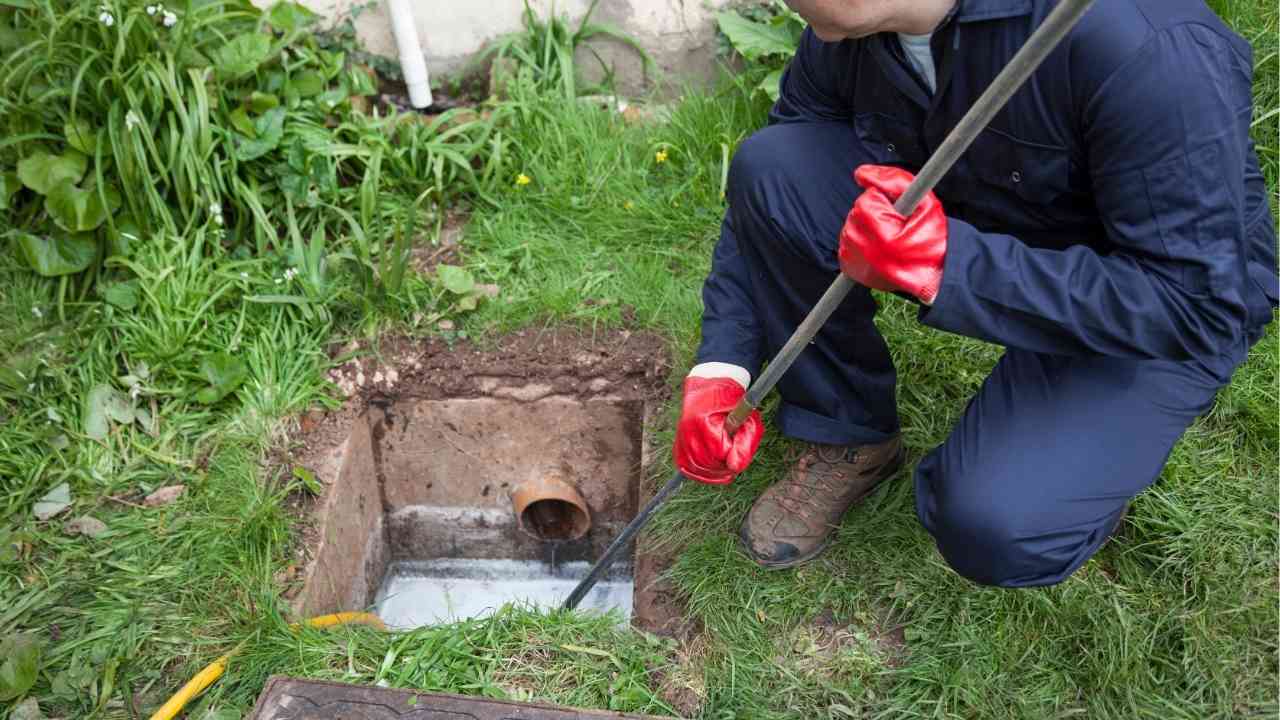
What to Expect During a Residential Rooter Service Call
A backed-up drain can flip your whole day upside down. One minute everything’s flowing fine. The next, your sink won’t drain and your toilet is threatening to overflow. When that happens, calling the best rooter service in Coos, Bay OR isn’t just smart, it’s urgent.
If you’ve never scheduled a rooter appointment before, you might not know what actually happens during the visit. Is it messy? Loud? Time-consuming? In this guide, you’ll learn exactly what to expect, how professionals handle the problem, and what you can do to prevent future clogs. Let’s walk through it step by step.
Step 1: Initial Assessment and Inspection
When the technician arrives, they won’t just start tearing into your pipes. A professional approach always begins with questions and a clear inspection.
They’ll likely ask:
When did the issue start?
Is it affecting one drain or multiple fixtures?
Have you tried any DIY fixes?
From there, they may run water tests or use a drain camera to look inside the pipe. This inspection helps pinpoint whether you’re dealing with grease buildup, tree roots, collapsed pipes, or a simple blockage.
If the problem calls for drain cleaning, they’ll explain the method they plan to use, whether it’s snaking, augering, or hydro jetting. Transparency at this stage matters. You should know exactly what’s happening before any work begins.
Step 2: Clearing the Blockage Safely and Efficiently
Once the issue is diagnosed, the real work begins.
Depending on the severity, the technician may use:
A mechanical drain snake to break up clogs
A motorized auger for deeper blockages
High-pressure water jetting for heavy buildup
Professional tools are far more effective than store-bought chemical cleaners. In fact, those chemicals often damage pipes over time and make the situation worse.
Reputable local drain experts work carefully to avoid unnecessary damage. They protect flooring, wear shoe covers, and clean up the work area when finished. The goal isn’t just to fix the clog, it’s to leave your home in good shape afterward.
Step 3: Checking for Underlying Issues
Here’s where many homeowners are surprised. Clearing the clog is only part of the job.
A quality rooter service will check for:
Recurring buildup patterns
Pipe corrosion
Root intrusion
Improper slope or installation issues
If the blockage was caused by something structural, you’ll want to know now, not after it happens again next month.
Technicians may recommend minor repairs or maintenance steps to extend the life of your plumbing. That doesn’t mean they’re upselling. It means they’re thinking long term.
Step 4: Prevention Advice and Next Steps
A good service call doesn’t end when the water starts flowing again.
Before leaving, the technician should explain:
What caused the clog
How to prevent it
When to schedule maintenance
Simple habits make a big difference. Avoid pouring grease down kitchen drains. Use drain screens in showers. Schedule periodic maintenance if your home has older plumbing.
The right team won’t just fix today’s problem. They’ll help you avoid tomorrow’s emergency.
A Quick Case Study: One Call, Bigger Problem
A homeowner recently called for a slow-draining bathtub. At first glance, it looked like a routine clog. But during inspection, the technician discovered tree roots invading the main sewer line.
Instead of just clearing the immediate blockage, the team used camera diagnostics to show the homeowner the damage. They removed the roots and recommended a targeted repair before the line collapsed entirely.
That single service call likely saved thousands in future excavation costs. It’s a perfect example of why professional expertise matters.
How Long Does a Rooter Service Call Take?
Most residential rooter appointments last between 60 and 120 minutes, depending on severity. Straightforward clogs can be resolved quickly. Deeper line issues may take longer, especially if camera inspections are involved.
Either way, you should expect:
Clear communication
Upfront pricing
Professional equipment
A clean workspace afterward
If you don’t get those basics, you’re not working with the right company.
Final Thoughts
Plumbing problems are stressful, but the service call shouldn’t be. When you know what to expect, the process feels far less overwhelming.
If you’re dealing with slow drains, backups, or recurring clogs, don’t wait for it to escalate. Schedule a professional inspection, get clear answers, and protect your home before minor issues turn into major repairs.
Your pipes work hard every day. Make sure they’re in good hands.