
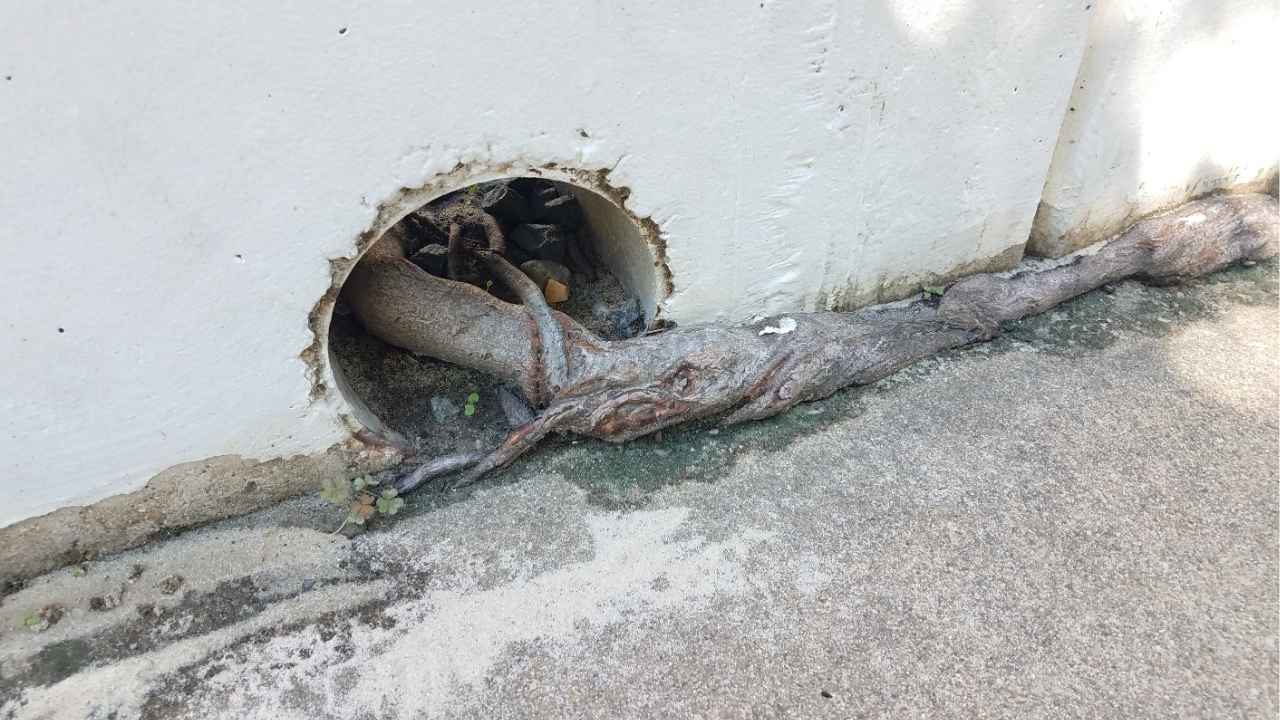
How Tree Roots Cause Drain Clogs in Oregon Sewer Lines
Tree roots are quiet, patient, and surprisingly destructive when they find their way into sewer lines. For many Oregon homeowners, a slow drain or recurring backup is not just a plumbing annoyance, it can be a warning sign that roots are growing where they absolutely do not belong.
In this article, you’ll learn why tree roots enter sewer pipes, how they create clogs, what warning signs to watch for, and when it makes sense to call a professional before the problem gets worse.
Why Tree Roots Target Sewer Lines
Trees naturally search for water, oxygen, and nutrients. Sewer lines offer all three, especially when a pipe has a small crack, loose joint, weak seal, or aging connection. Even a tiny opening can release moisture into the surrounding soil, drawing roots toward the pipe like a magnet.
This is especially common in older neighborhoods where clay, cast iron, or aging concrete sewer lines may still be in use. Homeowners dealing with repeated backups often need a rooter service in Coos Bay, OR to inspect the line and remove the blockage safely.
Oregon’s wet climate can make the issue more noticeable because saturated soil, older pipe systems, and strong root growth often work together. Once roots enter a sewer line, they do not stay small for long. They spread inside the pipe, catching grease, toilet paper, soap buildup, and other debris until water can no longer flow properly.
How Roots Turn Into Serious Drain Clogs
At first, root intrusion may only slow the movement of wastewater. You might notice a toilet that gurgles, a shower drain that empties slowly, or a sink that seems fine one day and sluggish the next.
Over time, the roots thicken. They form a net-like mass inside the pipe. That mass traps waste and creates pressure in the sewer line. Eventually, wastewater may back up into tubs, floor drains, or toilets.
Common signs of root-related sewer clogs include:
Multiple drains slowing down at the same time
Gurgling sounds after flushing
Sewage odors near drains or outside the home
Water backing up in tubs or showers
Wet or sunken areas in the yard
Recurring clogs even after basic drain cleaning
The frustrating part is that store-bought drain cleaners rarely solve this type of problem. They may clear minor buildup, but they cannot remove thick roots or repair damaged pipe walls.
Why Oregon Homes Are Vulnerable
Many Oregon properties have mature trees, heavy rainfall, and established sewer systems. That combination can be beautiful above ground but risky underground. Large trees such as maples, willows, poplars, and certain evergreens can send roots far beyond the visible canopy.
Roots do not “break into” perfect pipes right away. Usually, they exploit an existing weakness. A small crack, separated joint, or worn-out section gives them access. Once inside, the steady moisture encourages faster growth.
Professional Coos Bay sewer services often include camera inspections, which allow plumbers to see exactly where the roots are located and how much damage has occurred. This matters because not every clog requires the same solution. Some lines only need root cutting and cleaning, while others may need pipe repair or replacement.
What Homeowners Should Do Next
If you suspect roots are clogging your sewer line, do not keep treating the problem as a normal drain clog. Repeated plunging, chemical cleaners, and temporary fixes can waste time while the pipe continues to deteriorate.
A smart first step is a sewer camera inspection. This helps identify whether the issue is roots, collapsed pipe, grease buildup, or another obstruction. From there, a plumber may recommend mechanical root removal, hydro jetting, spot repair, trenchless pipe lining, or full replacement in severe cases.
Preventive maintenance also helps. Keep large trees away from sewer lines when planting new landscaping. Avoid flushing wipes, grease, and heavy paper products. Schedule inspections if your home has older sewer pipes or a history of repeat clogs.
Case Study: A Slow Drain That Wasn’t So Simple
A homeowner in coastal Oregon noticed the downstairs shower backing up every few weeks. At first, they assumed it was hair or soap buildup. After several temporary cleanings, the problem returned worse than before. A camera inspection revealed tree roots growing through a separated pipe joint near the front yard. A local rooter professional cleared the roots, cleaned the line, and recommended a targeted pipe repair instead of replacing the entire sewer system. By catching the issue before a complete collapse, the homeowner avoided a larger repair bill and a messy emergency backup.
Final Thoughts
Tree roots may grow slowly, but sewer damage can become expensive fast. When drains keep clogging, backups return, or several fixtures act up at once, the problem may be deeper than the drain itself.
Schedule a sewer line inspection before a small root intrusion turns into a major plumbing emergency.