
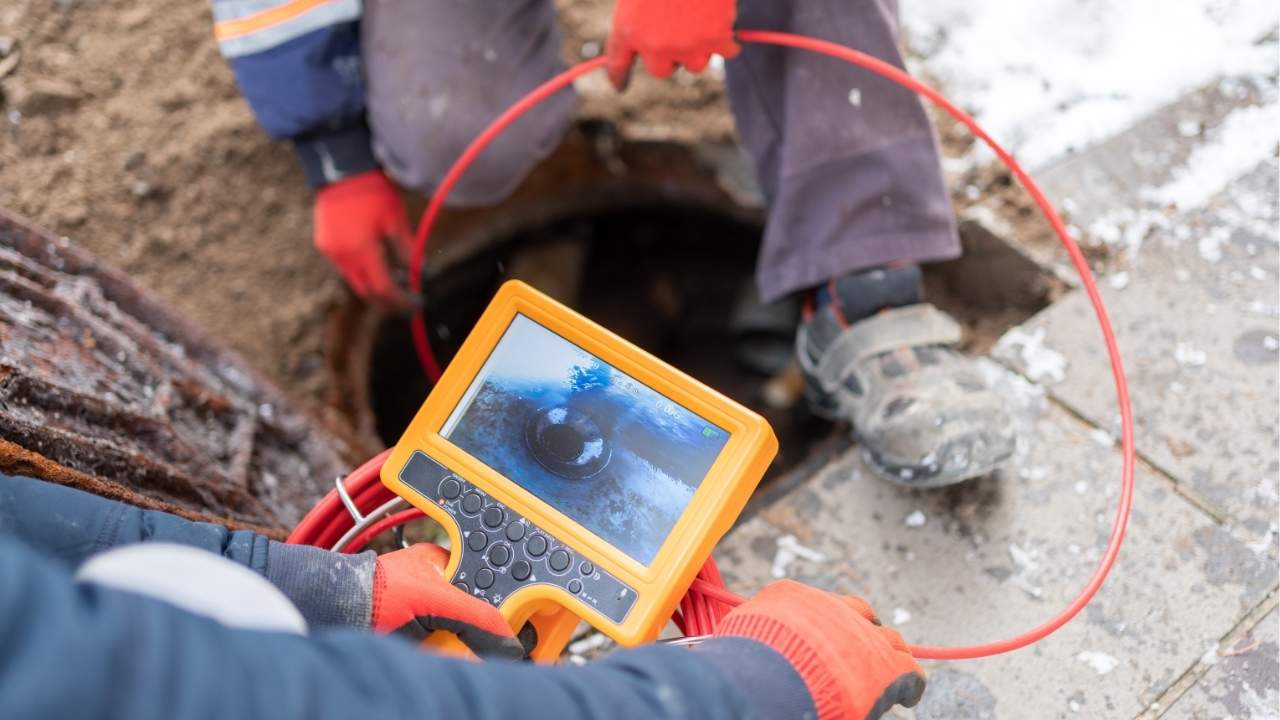
Hidden Sewer Line Problems Camera Inspections Reveal
Most sewer line problems don’t explode overnight. They build quietly; under lawns, driveways, and foundations, until one day you’re ankle-deep in a mess you didn’t see coming. The truth is, what’s happening underground rarely gives you clear warning signs.
In this article, you’ll learn what hidden sewer issues camera inspections uncover, why they matter, and how acting early can save you thousands. If you’ve ever searched for the “best rooter service near me in Coos, Bay OR,” this will show you exactly why modern inspections are worth every penny.
Tree Roots: The Silent Intruders
Tree roots are one of the most common causes of sewer line failure. They naturally grow toward moisture, and your underground pipes are a constant water source.
Here’s what a camera inspection often reveals:
Fine root hairs entering small pipe cracks
Thick root masses blocking 50% or more of the line
Complete pipe collapse caused by root expansion
From the surface, you might only notice slow drains. But underground, roots can create serious structural damage.
A camera inspection pinpoints the exact location of the intrusion. Instead of digging up your entire yard, technicians can target the damaged section precisely. That means less mess, lower cost, and faster repairs.
Cracks, Corrosion, and Collapsed Pipes
Older homes are especially vulnerable. Clay, cast iron, and Orangeburg pipes deteriorate over time. You won’t see it, but the camera will.
Common hidden issues include:
Hairline fractures
Pipe bellies (sagging sections that trap waste)
Rusted-out cast iron
Offset pipe joints
Complete structural collapse
These problems often start small. But left alone, they escalate quickly.
Homebuyers are learning this the hard way, which is why real estate sewer inspections are becoming standard practice before closing. No one wants to buy a home only to discover a $15,000 sewer replacement weeks later.
A simple inspection before purchase gives leverage in negotiations or peace of mind.
Blockages You Didn’t Know Were There
Not all clogs are dramatic. Some build slowly over years.
Camera inspections frequently uncover:
Grease buildup from kitchen waste
Foreign objects flushed down toilets
Baby wipes labeled “flushable”
Debris buildup from past backups
Many homeowners assume a drain cleaning solves the issue permanently. But if there’s a structural defect behind the clog, the problem will return.
It might look fine on the outside, but you won’t know what’s wrong until you’re stranded. A visual inspection removes the guesswork. You see the problem. You fix the right thing.
Case Study: A $300 Inspection That Saved $12,000
A homeowner in Coos Bay experienced occasional slow drains but no major backups. Instead of waiting, they scheduled a sewer camera inspection.
The footage revealed early-stage root intrusion and a minor pipe belly near the sidewalk. It wasn’t catastrophic yet.
The repair cost: $2,100.
The technician explained that waiting another year could have caused a full collapse under the driveway. Estimated future repair cost? Around $12,000 due to excavation and concrete removal.
That small decision to inspect early, saved nearly $10,000 and weeks of disruption.
Why Camera Inspections Are Worth It
Here’s what makes them so valuable:
Non-invasive (no unnecessary digging)
Highly accurate diagnosis
Faster repair planning
Clear documentation for insurance or property sales
Long-term cost savings
Instead of guessing, you get answers.
And in plumbing, guessing is expensive.
When Should You Schedule One?
Consider a sewer camera inspection if:
Your home is 20+ years old
You’re buying or selling property
You’ve had recurring drain issues
Large trees are near sewer lines
You’ve experienced a past backup
It’s not just about fixing problems, it’s about preventing disasters.
Underground damage doesn’t fix itself. It gets worse, more expensive, and more disruptive over time. A professional camera inspection gives you clarity and control before minor issues become major repairs. If you suspect something isn’t right, don’t wait, schedule an inspection and protect your home before the warning signs become an emergency.