Emergency Rooter Services: What to Do When Drains Back Up Fast
A backed-up drain has a way of ruining your day in minutes. One second everything’s fine, and the next you’re staring at murky water rising in the sink or shower. When that happens, panic won’t help, but fast, smart action will.
In this guide, you’ll learn what causes sudden drain backups, what to do immediately to limit damage, and when it’s time to call professionals.
Why Drains Back Up Without Warning
Most drain clogs don’t happen overnight. They build slowly. Grease, soap scum, hair, food scraps, and even tree roots narrow the pipe until water has nowhere to go. Eventually, pressure builds and the system fails.
In coastal areas, especially where older sewer systems are common, problems can escalate quickly. Homeowners often turn to drain pipe cleaning services in Coos Bay, OR when repeated slow drainage turns into full backups. By that point, the blockage is usually deep inside the line.
Homes further inland in Myrtle Point face their own version of this: older private sewer laterals that run longer distances to the main line, which gives grease and roots more pipe to build up in before anyone notices a problem.
Here are common causes of emergency drain failures:
Grease and oil hardened inside kitchen pipes
Hair buildup in bathroom drains
Flushed wipes and hygiene products
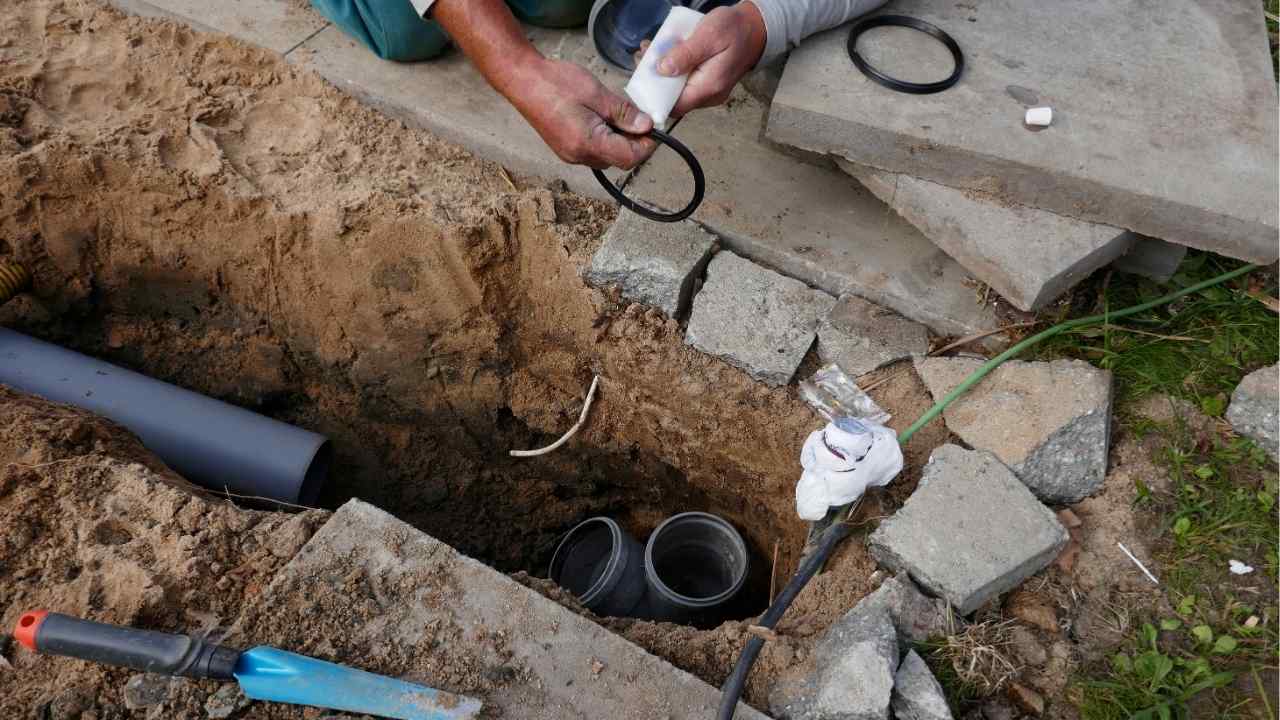
Collapsed or cracked sewer lines
Tree root intrusion
Routine drain cleaning can prevent most of these problems. But when maintenance is skipped, the system eventually demands attention.
What to Do the Moment You Notice a Backup
When water starts rising instead of draining, speed matters.
1. Stop using water immediately.
Turn off faucets, dishwashers, and washing machines. Every drop adds pressure to the clog.
2. Check other drains.
If multiple fixtures are backing up, the problem is likely in your main sewer line, not just one pipe.
3. Avoid chemical drain cleaners.
They rarely fix deep blockages and can damage pipes. Worse, they create hazardous conditions if professionals need to open the line.
4. Contain the mess.
Use towels or a wet vacuum to control overflow. The longer standing water sits, the higher the risk of floor and wall damage.
If water contains sewage, don’t attempt DIY fixes. That’s when trained drain specialists are necessary to safely clear the obstruction and sanitize affected areas.
When It’s Time to Call Emergency Rooter Services
Not every clog requires an emergency visit. But certain signs mean you shouldn’t wait:
Water backing up into tubs when toilets flush
Gurgling sounds from multiple drains
Sewage odors inside the home
Repeated clogs despite plunging
Professional rooter services use tools homeowners don’t have access to. High-pressure hydro jetting, motorized augers, and camera inspections allow technicians to locate and remove the blockage at its source.
A camera inspection is especially valuable. It shows whether the issue is simple buildup or something more serious like pipe collapse or root invasion.
Waiting too long can turn a manageable service call into a costly repair involving pipe replacement and water damage restoration.
A Quick Case Study: Fast Action Saves Thousands
A homeowner noticed their kitchen sink draining slowly for weeks but kept postponing service. One evening, the dishwasher drained and wastewater erupted from the floor drain in the laundry room.
Instead of trying DIY fixes, they shut off all water and called emergency service immediately. Technicians discovered heavy grease buildup combined with early-stage root intrusion in the main line. Because the homeowner acted quickly, the issue was resolved with hydro jetting and minor root removal.
Had they waited another few months, the pipe likely would have cracked. That repair would have cost several thousand dollars more.
How to Prevent the Next Emergency
Once the crisis is handled, prevention should become the priority.
Simple habits make a big difference:
Never pour grease down the sink
Install drain strainers in showers
Schedule annual line inspections for older homes
Avoid flushing anything except toilet paper
Consider preventative maintenance appointments
Proactive care keeps your plumbing system predictable. And predictable plumbing is exactly what you want.
If you're facing rising water or repeated clogs anywhere from Coos Bay to Myrtle Point, don't wait, schedule an inspection with Econo Rooter Services today and stop the problem before it grows.