
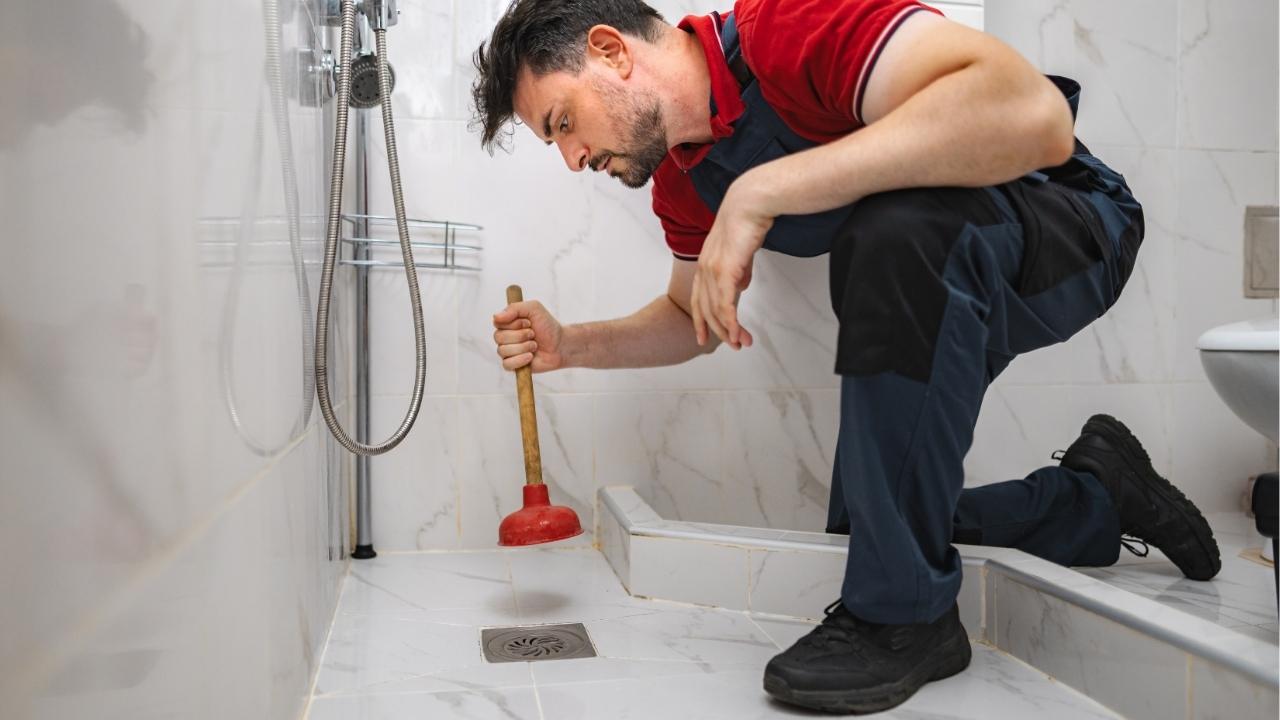
Clogged Drain? Here’s What to Do in the Next 10 Minutes
A clogged drain never happens at a “good” time. It shows up when you’re rushing out the door, doing dishes, or halfway through a shower. The good news? You don’t always need to panic or call for help right away.
In the next few minutes, you can take simple, effective steps to stop the problem from getting worse and maybe even fix it on your own. This guide walks you through exactly what to do in the first 10 minutes after you notice a clogged drain.
Step 1: Stop the Water Immediately
The moment you notice slow drainage or standing water, turn off the faucet. If water keeps running, it can quickly overflow and cause damage to your cabinets, floors, or walls.
Before calling for drain pipe cleaning services in Coos Bay, OR, taking quick action can save you from a bigger mess.
Here’s what to do right away:
Shut off any running water
Remove items stored under the sink
Place a bucket or towel under the pipe if leaks start
This step buys you time and prevents a minor issue from turning into a costly repair.
Step 2: Check for Visible Blockages
Next, take a quick look inside the drain opening. Many clogs are caused by visible debris like hair, food scraps, or grease buildup.
Use simple tools you already have:
A flashlight to see inside the drain
Gloves to remove debris safely
Tweezers or a bent wire hanger to pull out buildup
If you can see the clog and remove it easily, you may have just solved the problem without needing professional sewer services.
This step matters a little more if you're on a septic system rather than city sewer, which is common out toward Lakeside: flushing a chemical drain cleaner into a septic tank can throw off the bacteria that break down waste, so a physical check with a flashlight is the safer first move before you reach for anything from under the sink.
Step 3: Try a Quick Flush Solution
If the blockage isn’t visible, your next move is to loosen it using basic household methods. Skip harsh chemicals, they can damage your pipes over time.
Instead, try this:
Pour hot (not boiling) water down the drain
Follow with a mix of baking soda and vinegar
Wait 5–10 minutes, then flush again with hot water
This method works well for grease, soap scum, and minor buildup. It’s simple, fast, and safe for most plumbing systems.
Step 4: Use a Plunger the Right Way
If the drain is still clogged, grab a plunger. Yes, even for sinks, it’s not just for toilets.
Here’s how to do it effectively:
Cover the overflow hole (if your sink has one)
Add a small amount of water to create suction
Plunge firmly for 15–20 seconds
The pressure can dislodge stubborn clogs deeper in the pipe. If the water starts draining again, you’re back in business.
If not, it might be time to call in plumbing specialists who can handle more serious blockages safely.
Step 5: Know When to Stop and Call for Help
Here’s the truth: some clogs won’t budge no matter what you try. And forcing it can make things worse.
Stop DIY efforts if:
Water backs up into other drains
You hear gurgling sounds in pipes
There’s a foul smell coming from the drain
Multiple fixtures are clogged at once
These are signs of a deeper issue in your plumbing system, not just a simple blockage.
Quick Case Study: A 10-Minute Save
A homeowner noticed their kitchen sink filling up fast during dinner prep. Instead of ignoring it, they shut off the water, checked for visible debris, and pulled out a chunk of food buildup. After a quick hot water flush and a few plunges, the sink drained normally again, no service call needed.
That quick response saved them time, money, and a potential kitchen flood.
Take Action Before It Gets Worse
A clogged drain doesn’t have to ruin your day. With the right steps, you can handle many minor issues in minutes and avoid bigger plumbing problems down the line.
Reach out to Econo Rooter Services, serving Lakeside and the rest of the coast, and get it fixed properly before it turns into a major repair.